Explore the powerful story of Neil Latimer, a soldier and witness seeking justice in the most tested verdict of the Troubles. This video sheds light on his unwavering fight for truth and conviction. Discover the human side of a historical struggle in Armagh.
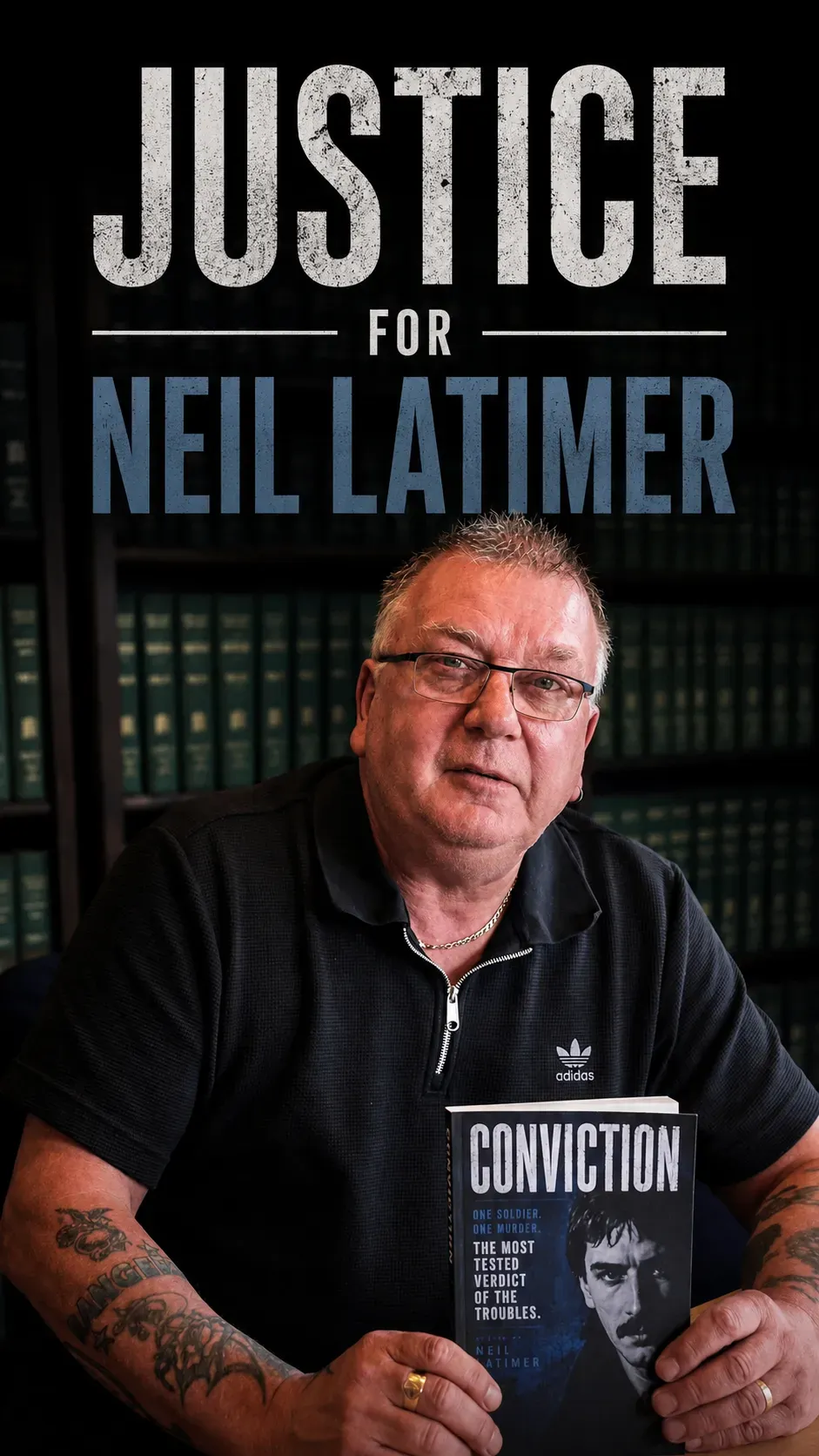
CONVICTION: One Soldier. One Witness. The Most Tested Verdict of the Troubles.
In November 1983, Adrian Carroll, an innocent council worker, was shot dead as he walked home from work in Northern Ireland.
Four members of a locally recruited British Army regiment were arrested, interrogated without legal representation, and convicted of his murder.
Three were later cleared after it emerged that police had altered their statements. The fourth remained convicted, largely on the evidence of one witness.
Neil Latimer has spent more than forty years maintaining his innocence in a case that has returned to court more than any other of its kind.
Northern Ireland was a society at war with itself when he was convicted. Divisions remain over this case today.
Conviction is his account of a life, a murder, a justice system under extraordinary pressure, and a verdict that has never stopped generating argument.
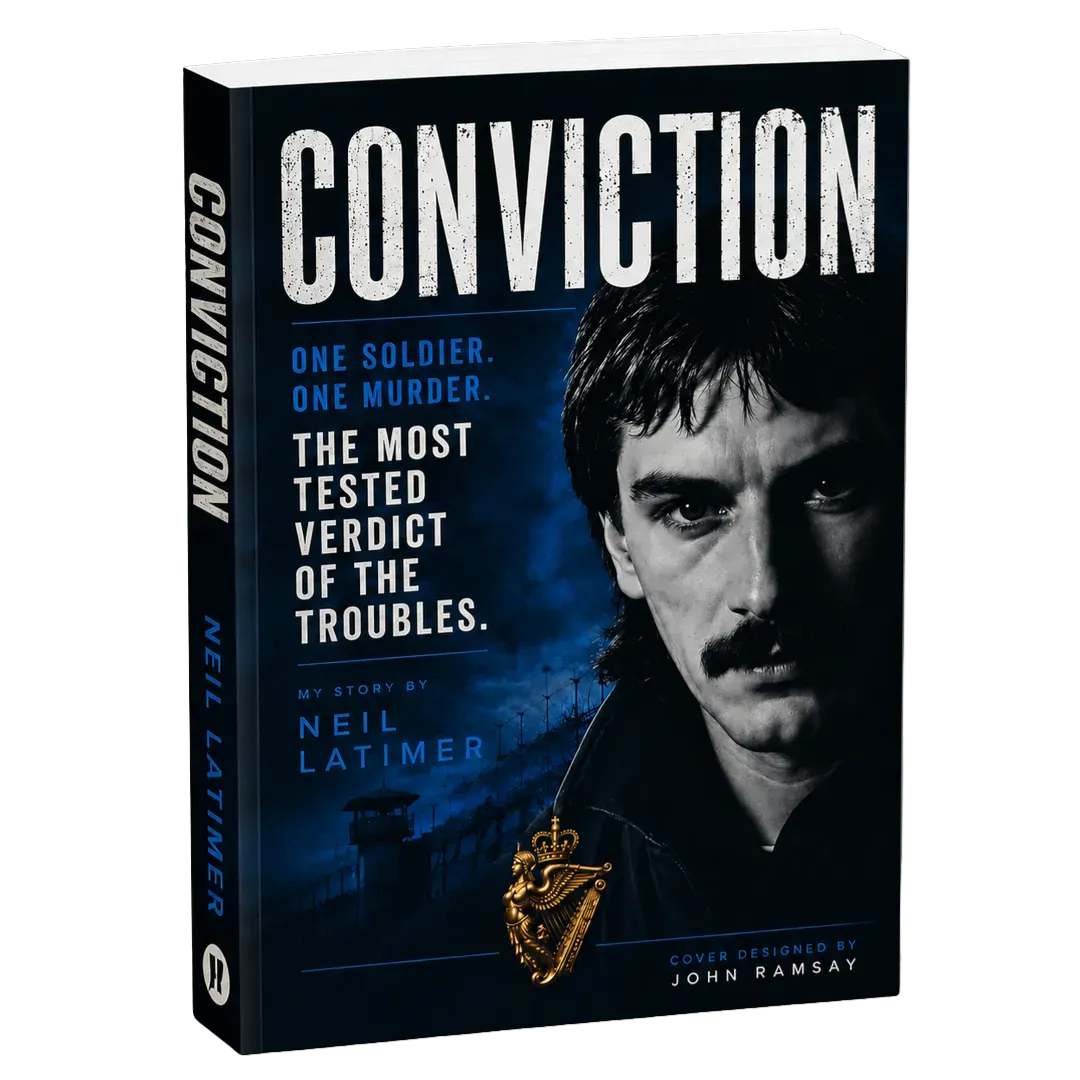
Buy the book and read the words of Neil Latimer today first hand.
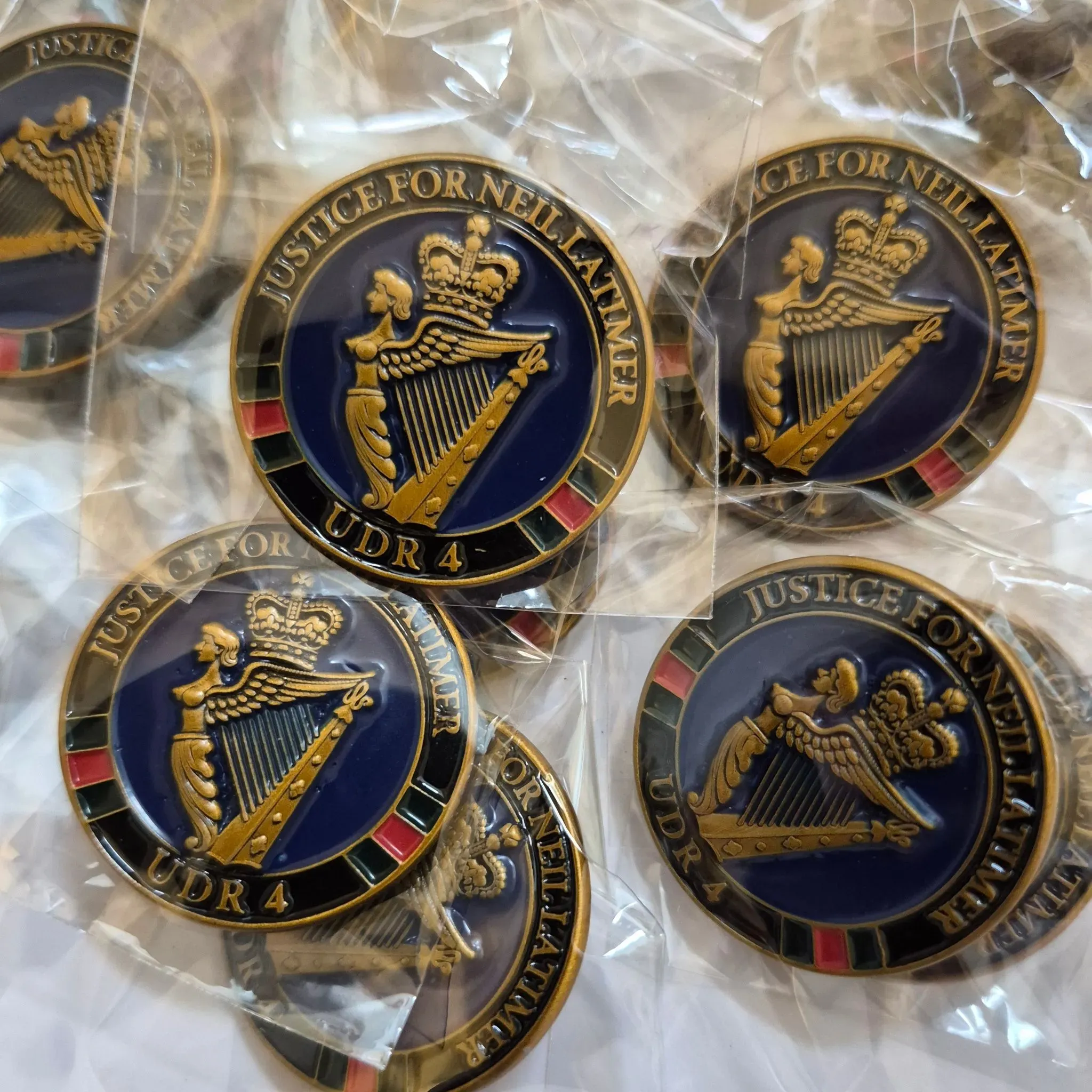
Justice for Neil Latimer Campaign Badge
Every purchase supports the Justice for Neil Latimer Appeal Fund while also helping raise awareness of the continuing campaign for justice
Available now from the Empire Poppy Store online.
Size: 30mm
Attachment: Butterfly
Support Neil Latimer's Fight For Justice

Host an Evening with Neil Latimer
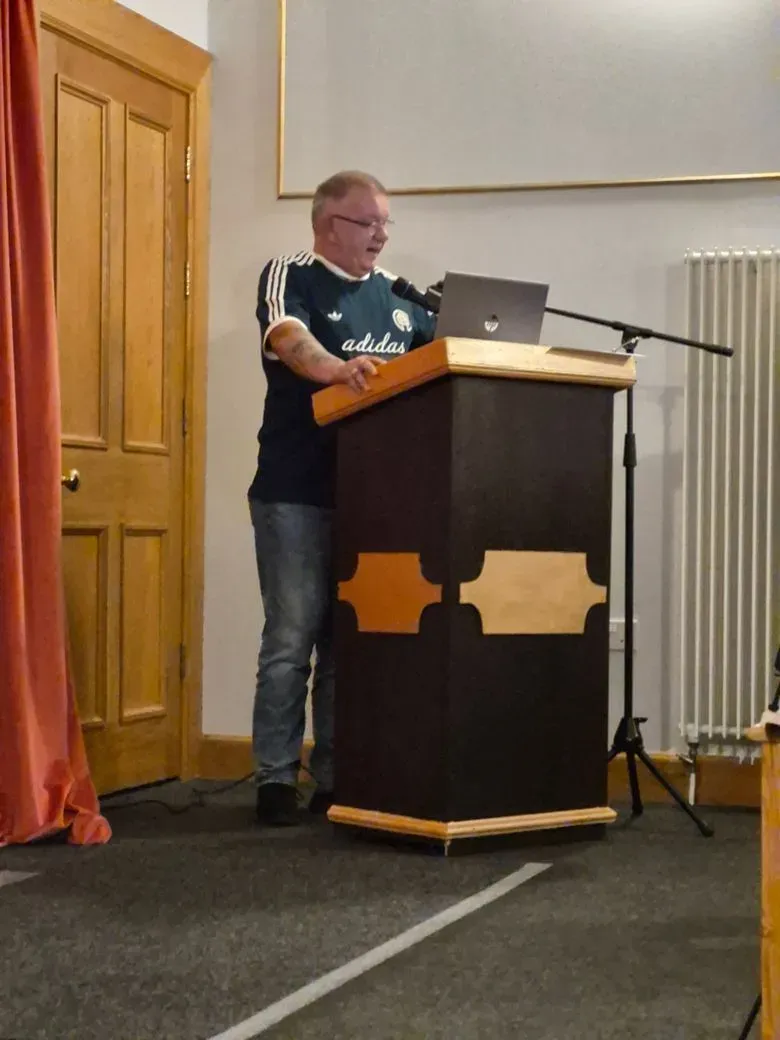
Neil is currently touring the United Kingdom, sharing his story and bringing the truth to audiences across the country. If your group, organisation, or community would like to host an event in your area, we would be delighted to hear from you. Please get in touch today to arrange a visit.

Help with Legal Costs
The funds raised will help meet the significant costs associated with legal representation, specialist expert reports, and court proceedings. More importantly, this campaign is about standing up to a system that has failed Neil and ensuring he has the opportunity to pursue justice.
Gallery
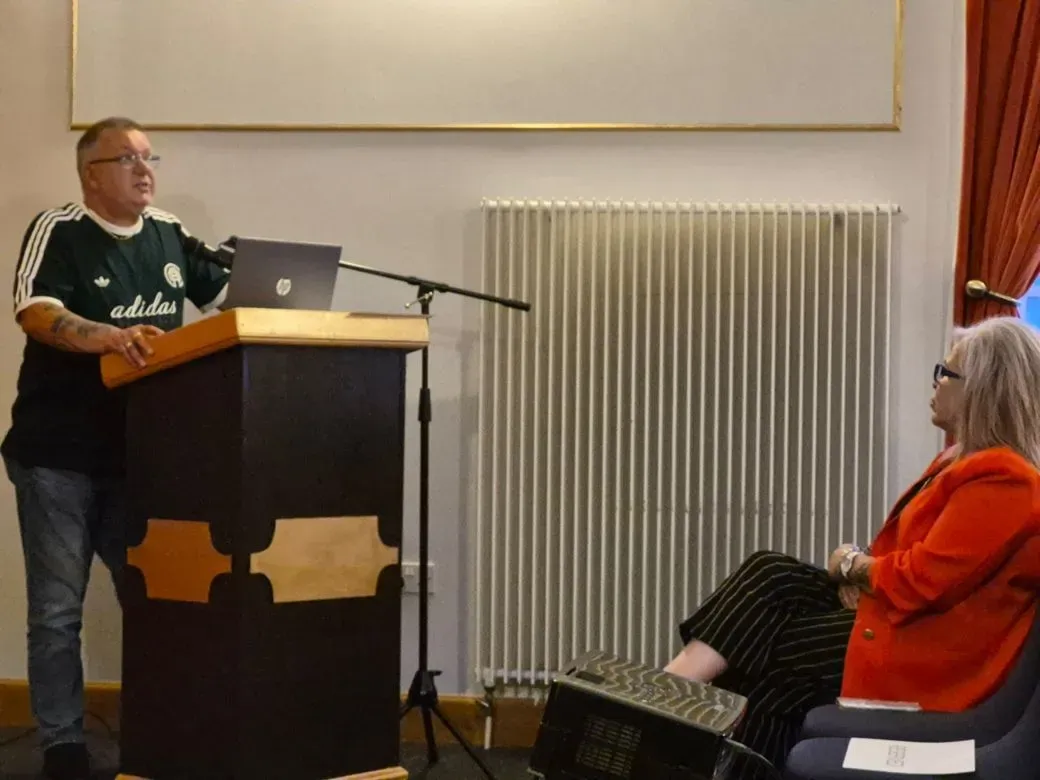
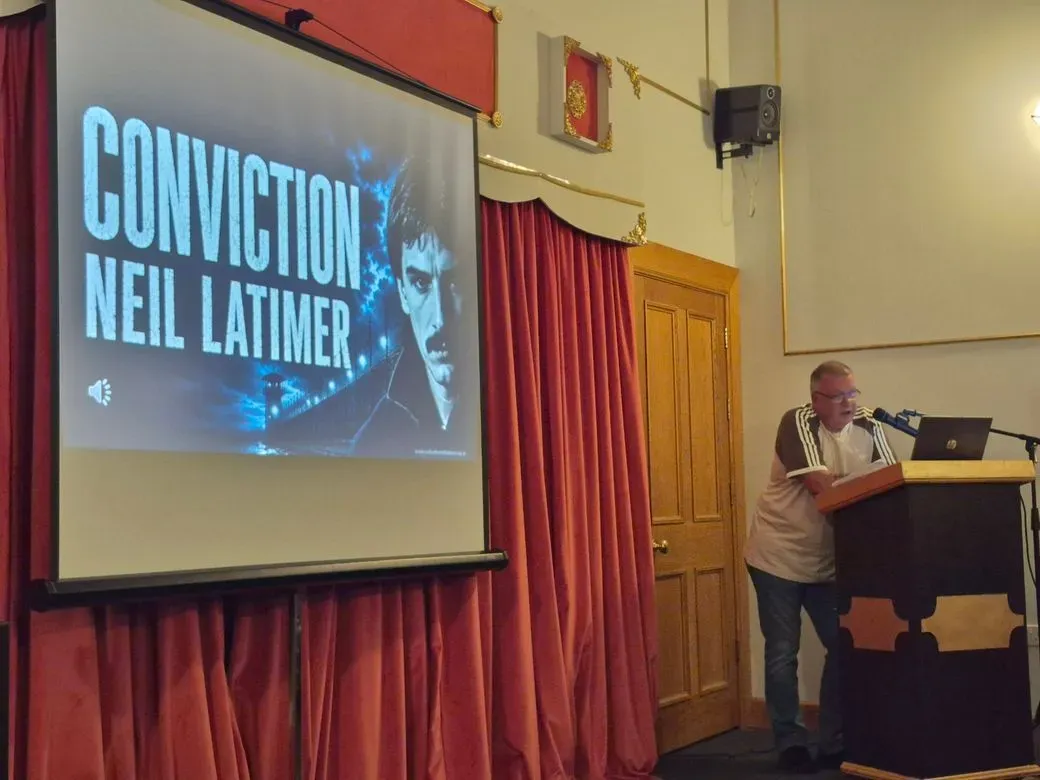
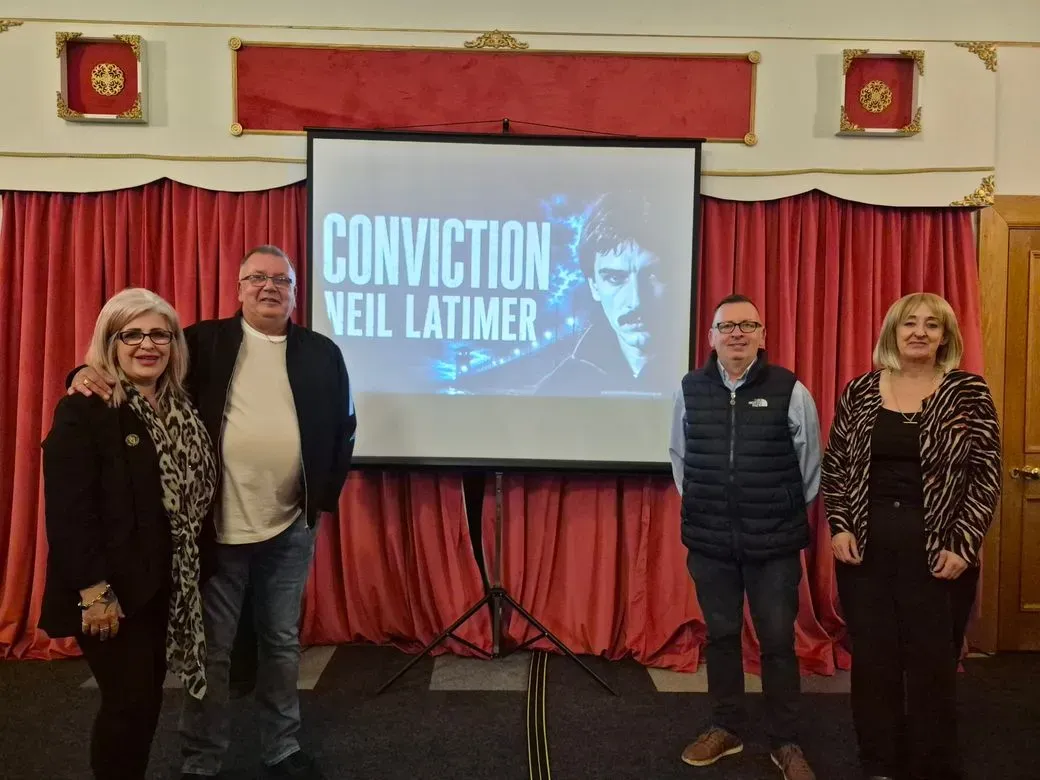
1 / 5
Conviction: Neil Latimer's Justice Fight
Neil Latimer – A Case That Continues to Raise Serious Questions
The case of Neil Latimer has remained one of the most controversial criminal cases to emerge from the Northern Ireland Troubles. More than three decades after his conviction, it continues to generate debate over whether justice was fully served and whether all of the available evidence received the scrutiny it deserved.
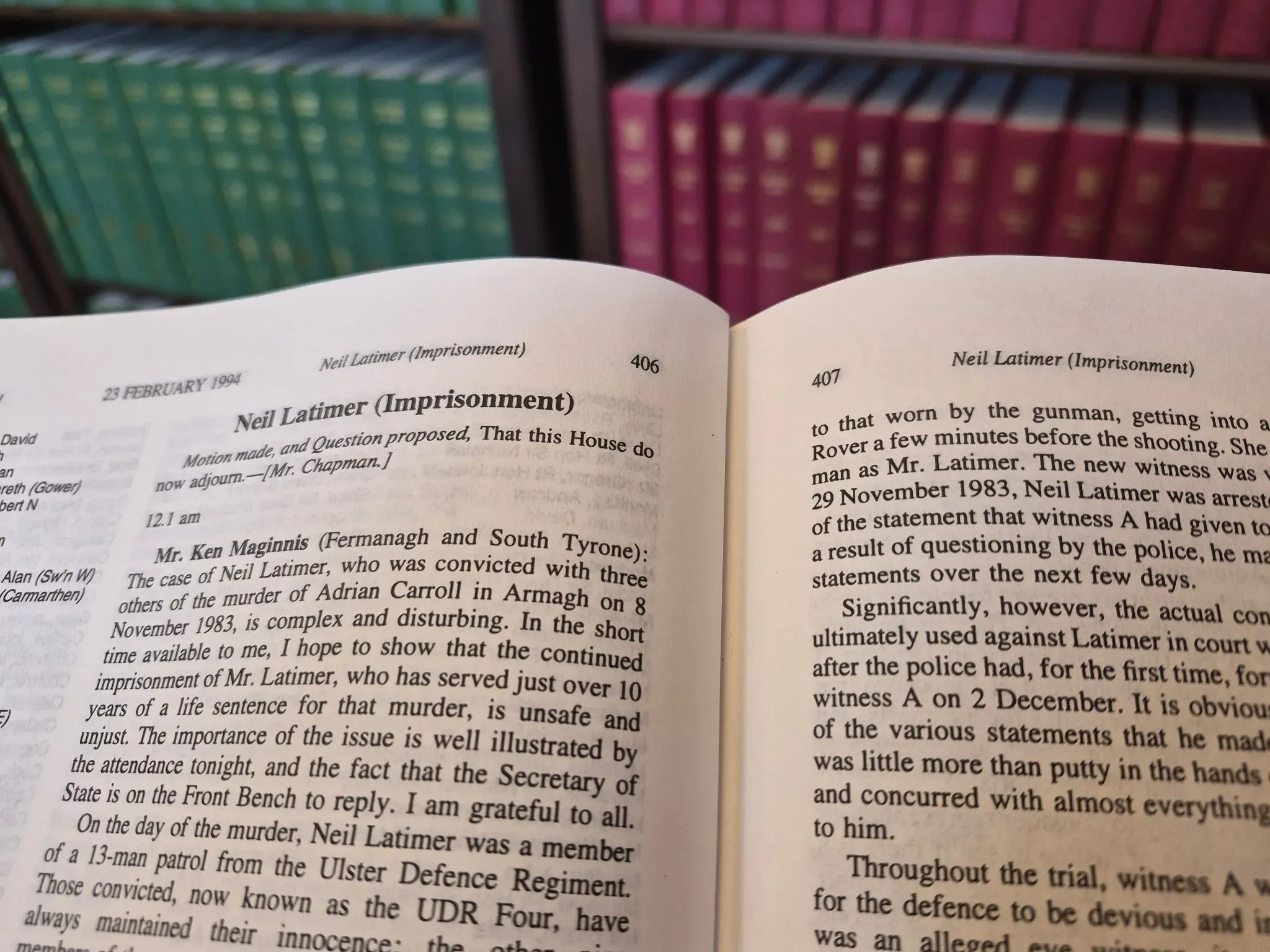
During an Adjournment Debate in the House of Commons on 23 February 1994, then MP Ken Maginnis argued that Neil Latimer's continued imprisonment was "unsafe and unjust." He highlighted that the other members of the so-called UDR Four had always maintained their innocence and that the evidence of almost every prosecution witness, with the exception of one witness, weakened rather than strengthened the case against Mr. Latimer.
The debate drew attention to a number of significant issues. These included rewritten police interview notes, concerns regarding confession evidence, conflicting eyewitness testimony, and questions surrounding the reliability of the prosecution's principal witness. It was also noted that there was no forensic evidence linking Neil Latimer directly to the murder. These concerns formed the basis of calls for the case to be referred once again to the Court of Appeal.
The Government's response, delivered by the Secretary of State for Northern Ireland, Sir Patrick Mayhew, did not express a view on Mr. Latimer's innocence or guilt. Instead, he explained that ministers could not overturn court decisions themselves but confirmed that any new evidence would be carefully examined to determine whether it justified a further referral to the Court of Appeal.
Regardless of differing opinions on the case, the Hansard debate demonstrates that Neil Latimer's conviction attracted substantial parliamentary concern. More than 200 Members of Parliament supported Early Day Motion 525, reflecting the belief that the case warranted further examination.